They came from four different roads to answer the same letter.
None of them had set foot in Karrowmoor before — Karamurians, the caravan drivers called themselves, with the particular weariness of people who have made their peace with something the rest of the world hasn't heard of yet. The company crossed into Cold Pass behind a wine caravan, and somewhere past the mountain's shoulder the fair weather simply ended, swallowed by a wall of fog so total that the drivers spoke of it the way sailors speak of a reef: not weather, a feature. Karrowmoor's nine valleys lay behind that wall, permanently dim, permanently damp, growing in their shadow a grape too dark and too sweet to ripen anywhere the sun still reached. The travelers would not see true daylight again unless they left, or got lucky enough to catch a Clearing — the few days a year the cloud broke, and every soul in the valley dropped their tools to stand in it like a holiday.
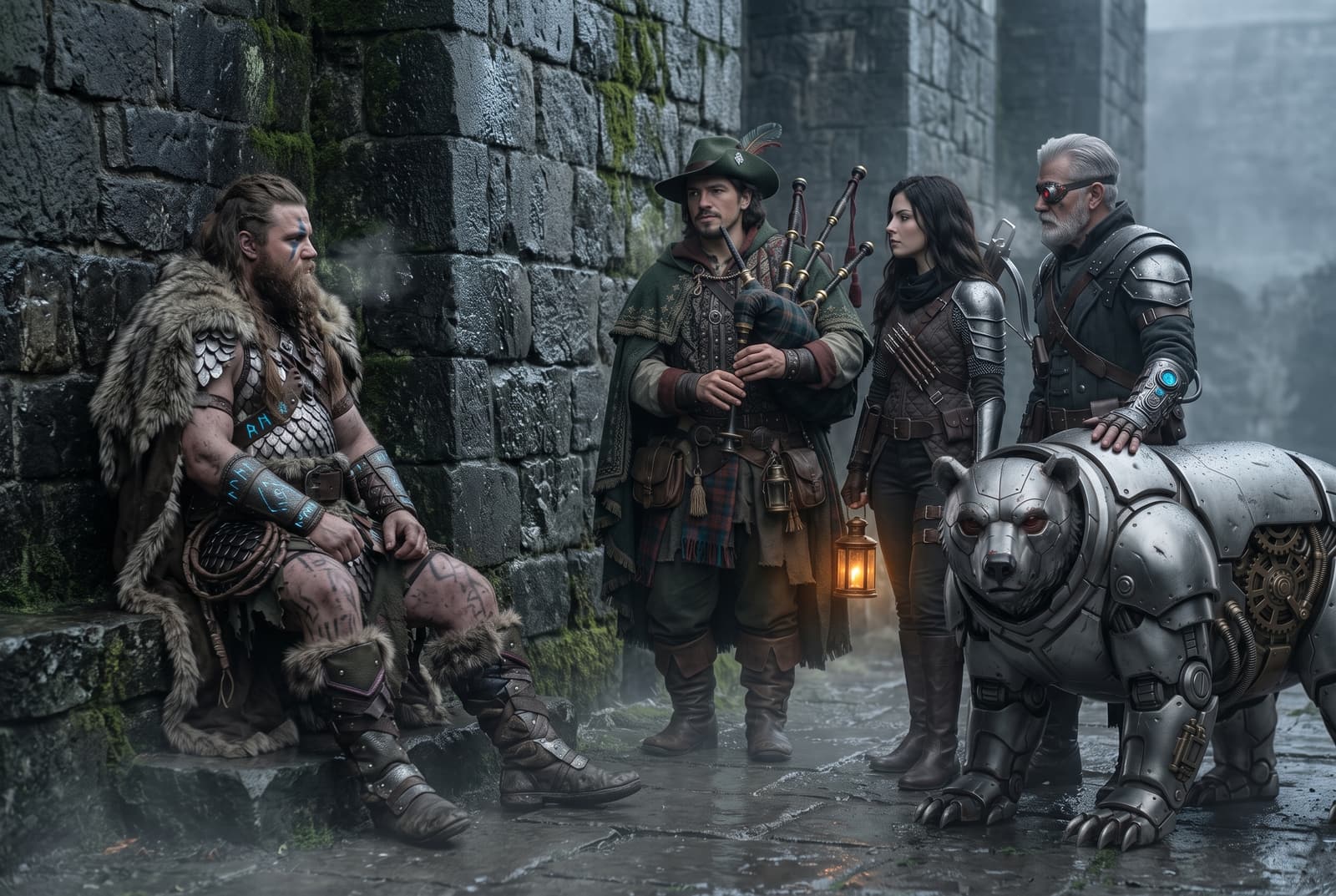
Four strangers made the long climb up Coldhallow's single road together: Edric Morven, a bard with a scholar's curiosity, a courtier's bow, and — as it would turn out before the day was through — a spirit he could call on when he needed one; Makani Ulrick, a giant of a warrior carrying a morning star and a whip, walking these lands in search of strength enough to one day challenge his own clan's chieftain; Zara Rageborn, who gave her reasons for coming as simply as breathing — I am merely trying to survive, and I have dedicated myself to helping those in need; and Orion‑07, a human tinkerer who came with tools rather than answers, and a steel bear‑shaped companion striding at his heel, introduced to the others simply as Bruin.
At the head of the valley, carved half into the mountainside, stood Grayvault — moss‑black stone, a slate roof gone heavy with age, men‑at‑arms whose weapons looked used rather than ceremonial. The doors opened, and out came not a lady but a wheelchair, wheeled to the very edge of the threshold and no farther. A thick line of salt ran across that doorway like a drawn sword, and the old woman behind it — Ilsabet Ostrend, of House Ostrend, seventy‑one and looking every year of it — stopped exactly where it began.
“You received my letter. Thank you for coming. I don't sense that any of you are from this area.”
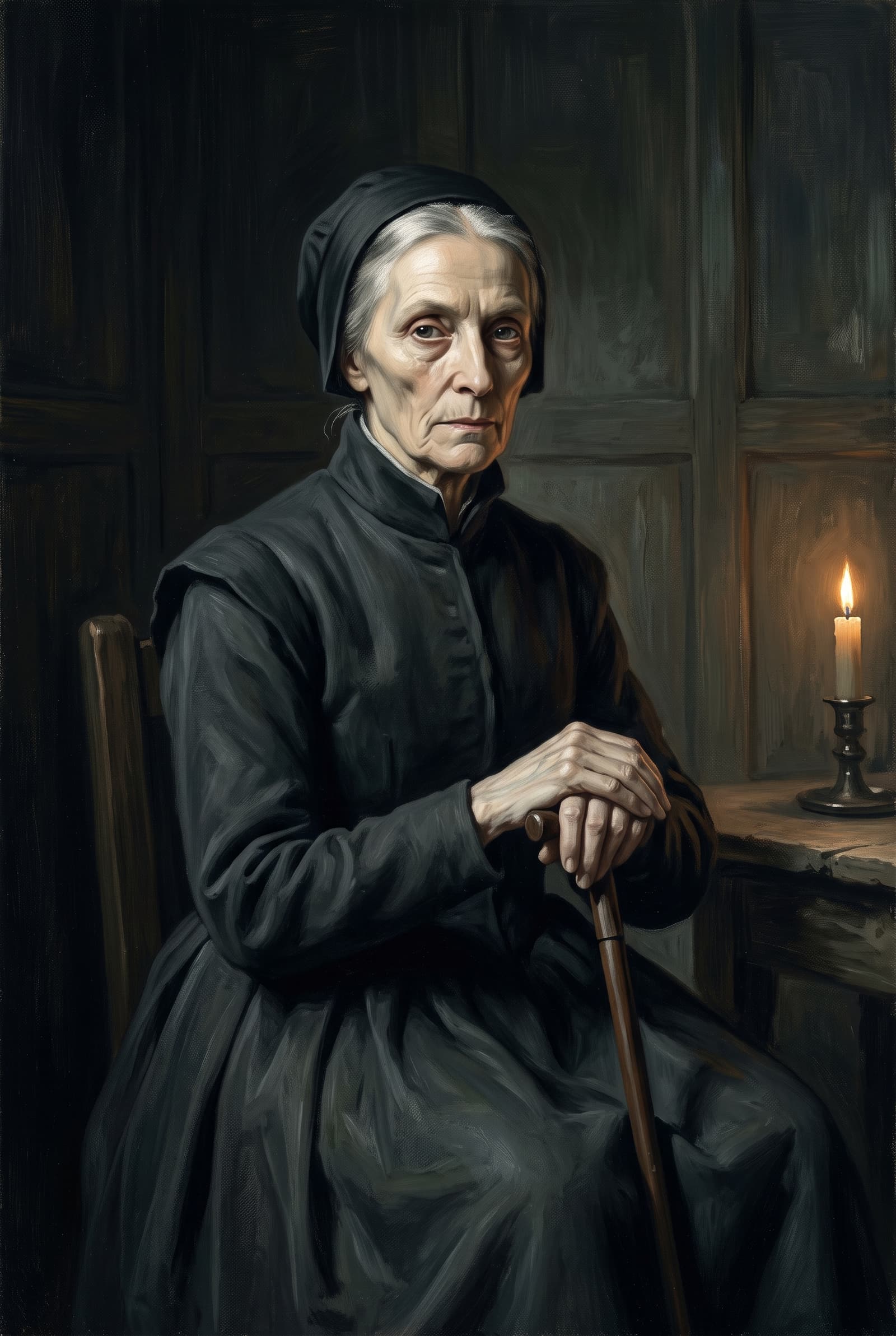
She asked each of them, in turn, why they had come, and weighed the answers the way a merchant weighs coin. Then, with her guards dismissed and only her steward left at her back — Bardolph Vane, forty years in her service and counting — she told them the truth she couldn't tell her own household. She had perhaps two years left. The estate was failing — money bleeding out faster every season, letters arriving already opened, servants who knew names they had no business knowing. She would leave Coldhallow to her grandson Casimir, a boy with a fine heart and no idea what debts were coming for him, unless someone she owed nothing to could find out what — or who — was rotting the valley from the inside.
Two threads, for a start: a retaining wall in Thornhallow, rebuilt only a year ago and already collapsed, burying the artery road under stone. And a mill — the mill, Millstead's largest, the only one that had ever failed in Ilsabet's seventy‑one years of memory, its miller swearing it couldn't be fixed until next season.
She gave them the barracks, a writ bearing House Ostrend's authority, and rules that were not offered as superstition so much as maintenance. Salt every sill, every night. If the bells ring, get inside. If something knocks after dark, do not answer it, even if you know the voice. And do not, under any circumstance, go looking in the woods.
Bardolph explained the rest once she'd been wheeled back in: why the graves in the family plot sat crooked on their corners rather than flat, why every body in Karrowmoor is buried face‑down — so that when they start digging, they dig the wrong way. He said it without drama, the way a man explains why you latch a gate.
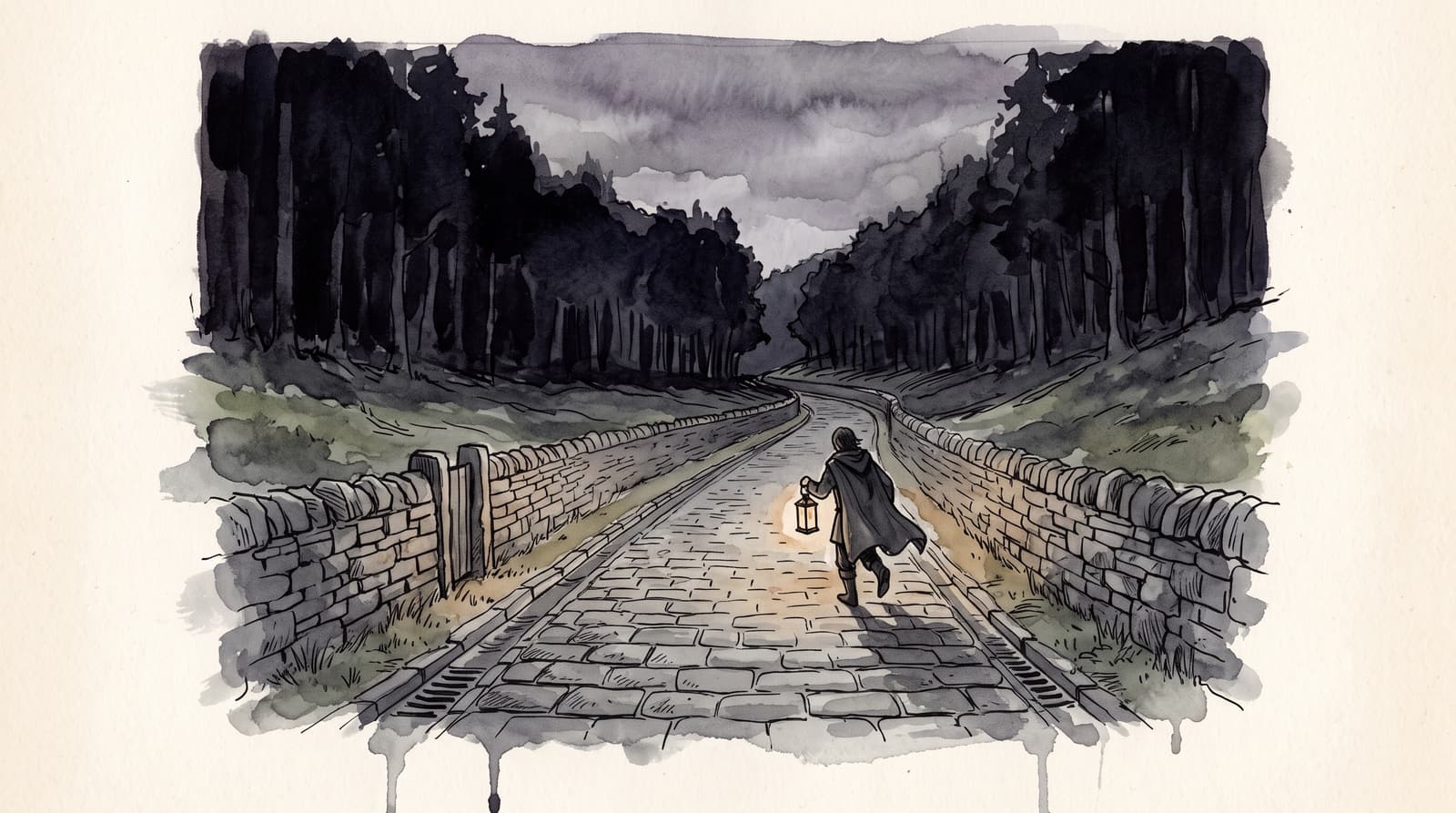
They didn't reach the woods that day, but the woods reached them first. Half a mile down the road from Grayvault, a knot of villagers had gathered in a field that wasn't being farmed, and at the center of it a young man lay bleeding into the mud, screaming past the hands trying to help him. Aldrich. Aldrich took it — he took the Clear Light — please, you can save me. Footprints and broken stalks ran off toward the tree line, and past the trees, once, a wolf howled — and under it, fainter, something that might have been a man shouting back. The party held the road. They'd been told what the woods were for, and they believed it enough to turn Mathis — the bleeding boy, of the Corvain house — back toward Millstead instead of chasing his thief into the dark. Wendell Merrick, a weathered field hand who'd been first on the scene, walked them the rest of the way in.
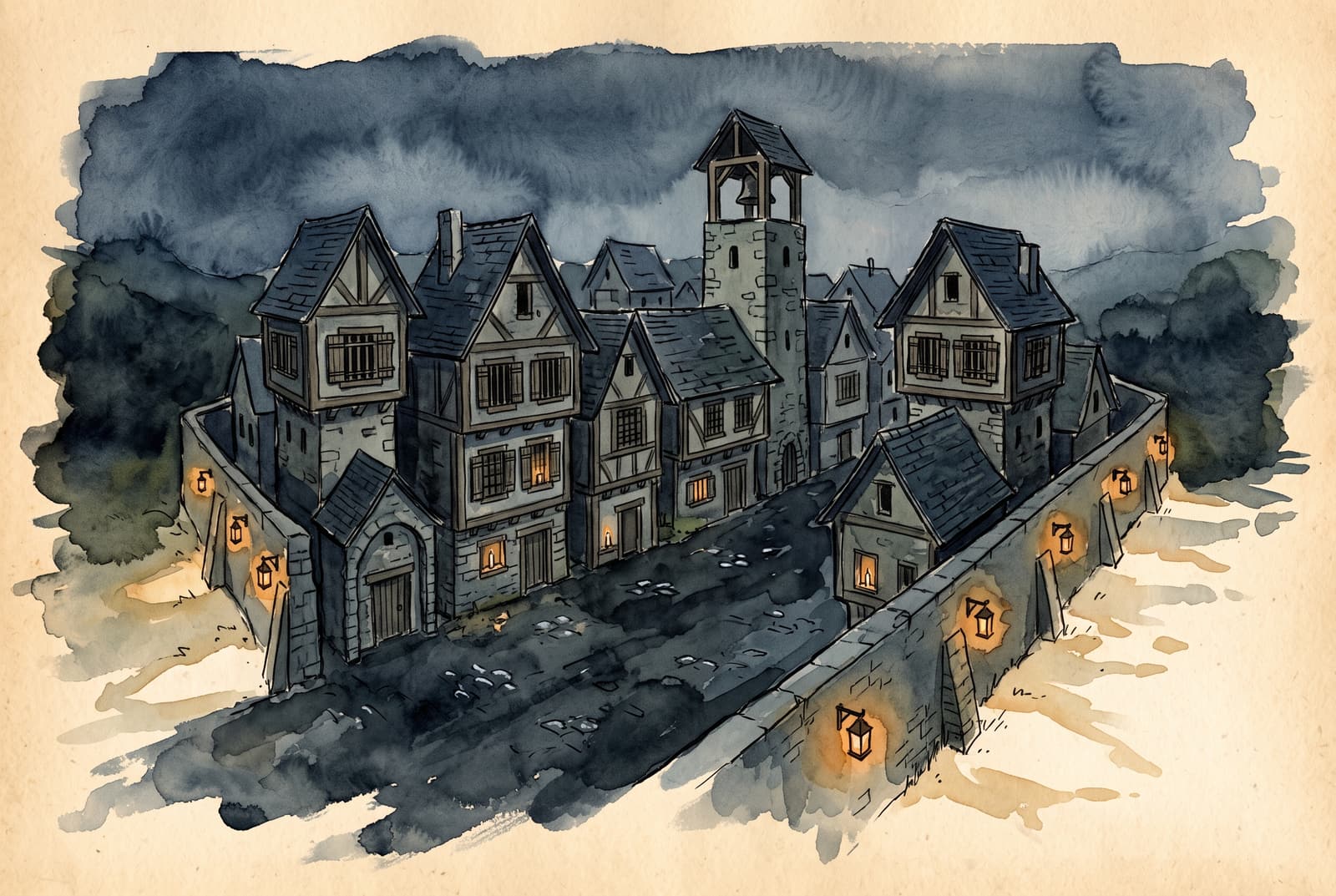
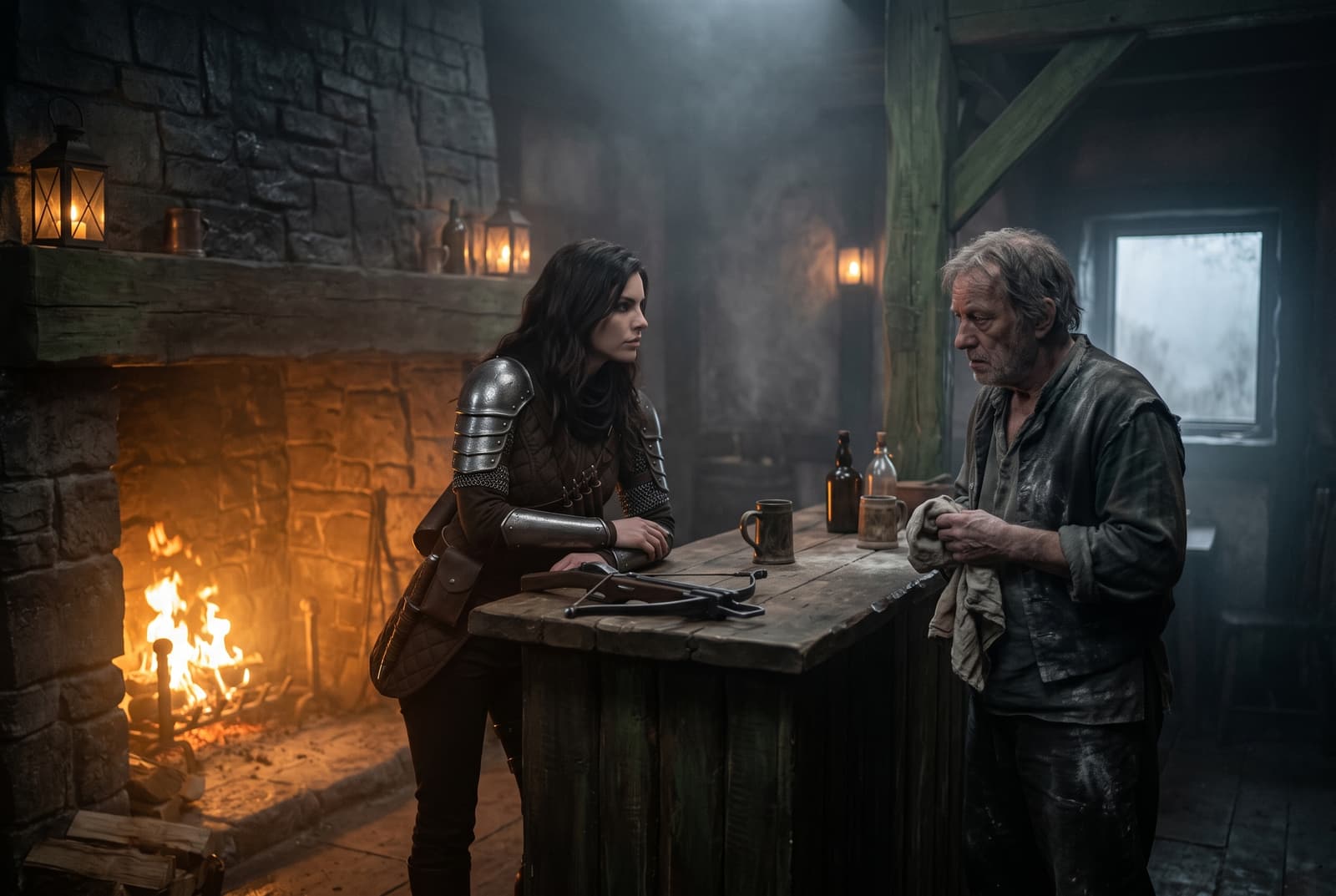
Millstead gave them wine, an inn, and a keeper named Leon who talked easily about everything except the mill. A local at the bar traded stories of shapes glimpsed at the treeline and voices that called out in familiar tones and shouldn't be trusted — told, like Bardolph's burial custom, without a flicker of doubt that they were true. The party salted their doorway and slept without incident.
By morning, Mathis's family filled in what fear had left out the night before: the boy had stolen the Clear Light from someone the town calls only the Witch, meaning to sell it on — and Aldrich, an acquaintance who'd agreed to buy it off him, had put a knife in him instead of paying and run for the trees with the stone. And Yorrick, the miller, had been forbidding anyone from Millstead to so much as approach the mill for reasons he wouldn't give.
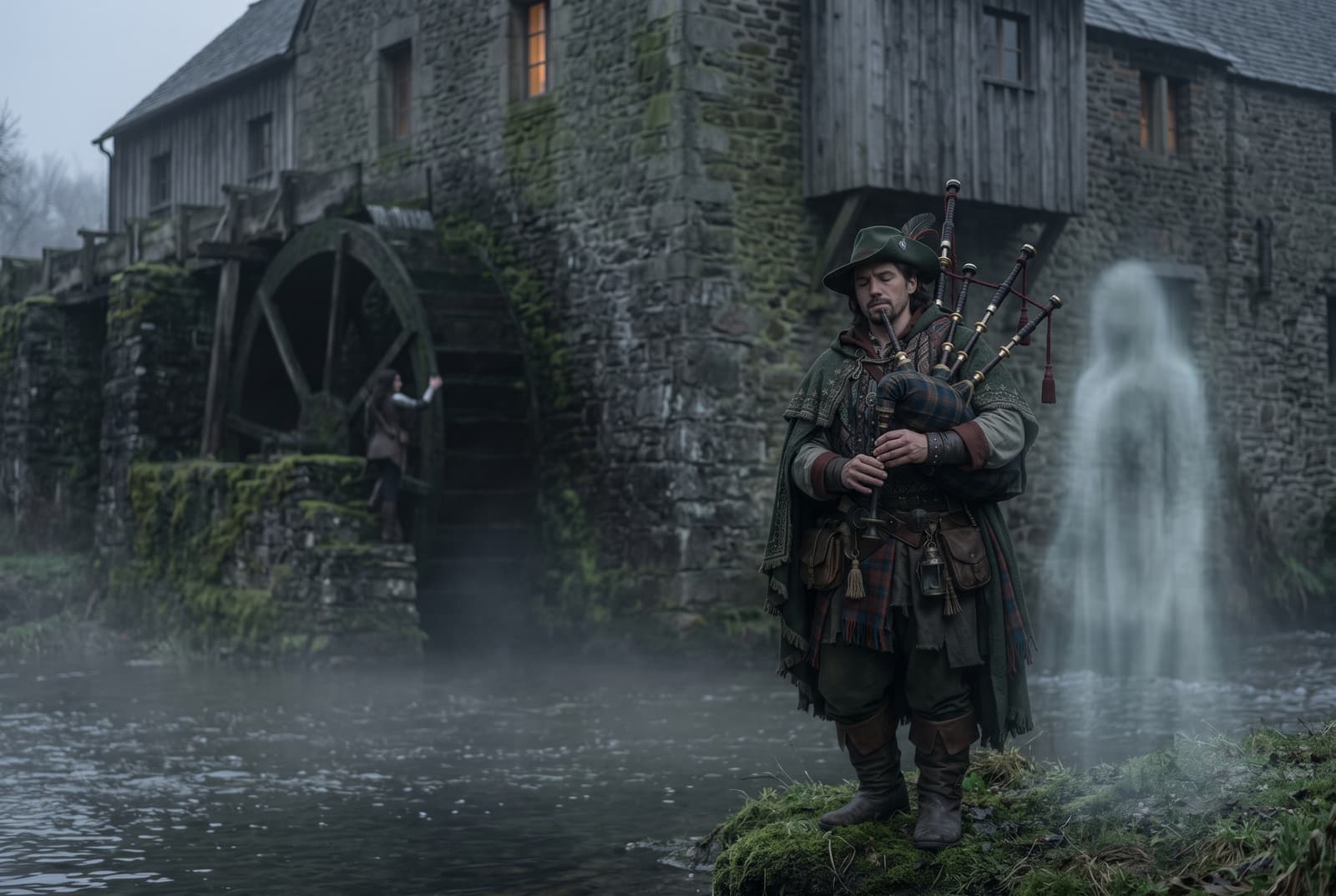
The mill itself answered no knock. Its wheel groaned in the current but caught halfway round each turn, like something jammed on purpose rather than by neglect. A window at the riverside had been boarded from within — boarded, not broken — and the only way in was up the wheel's own housing, slick with algae and river‑spray, to a gap above the waterline. It was Edric who called on Salah first — a spirit he keeps for exactly this kind of luck — and it was Zara who trusted that blessing enough to make the climb, hand over hand up the turning wheel, and drop down inside to open the way for the rest.
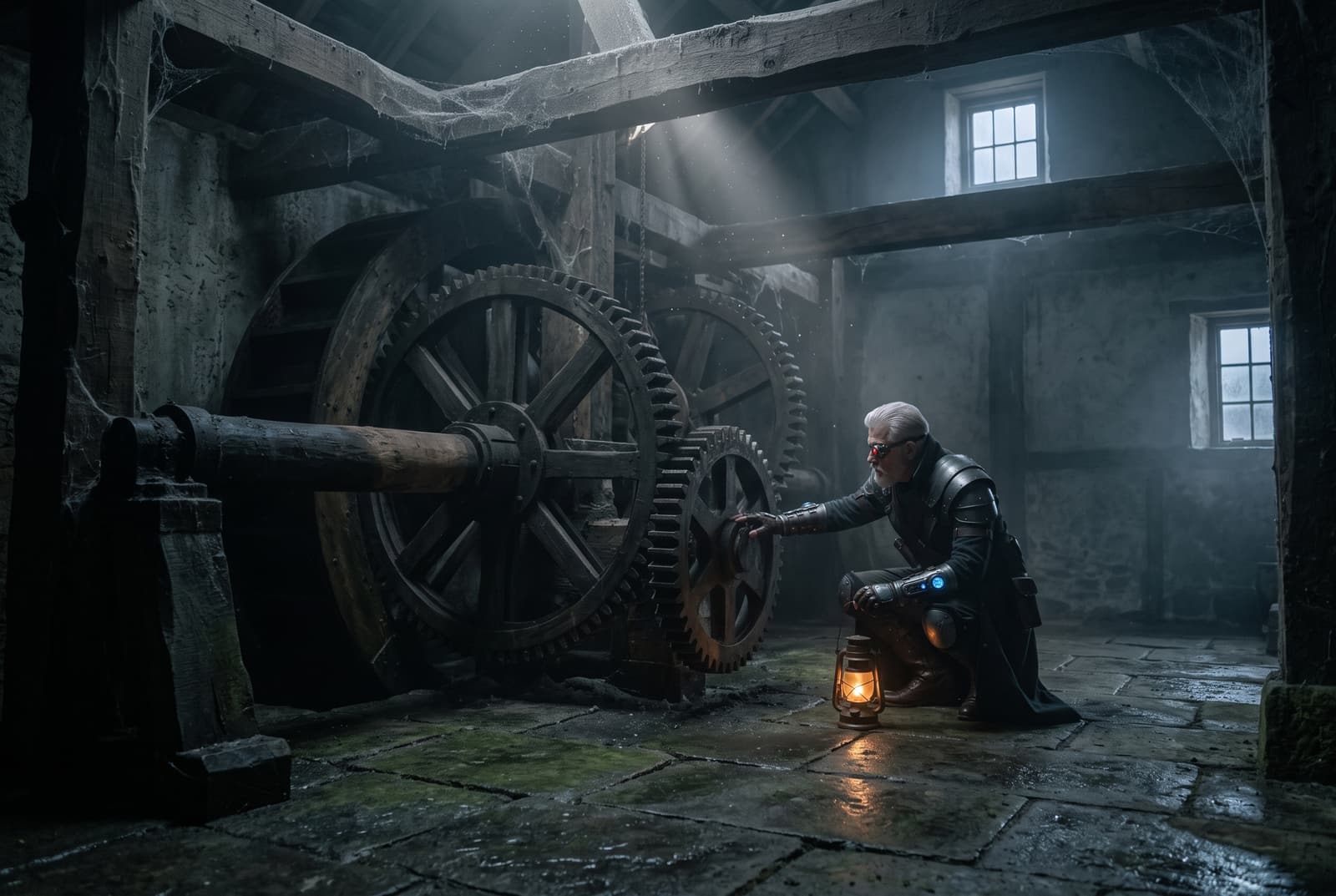
In the dark, it was Orion who found what Yorrick's excuses had been covering: a gear, deliberately swapped for one that didn't fit. Not decay. Not bad luck. Someone had walked into this mill, taken the mechanism apart, and made sure it would never turn again — and wanted everyone in Millstead to believe otherwise.
The party stood in the dark of the mill house, salt in their pockets and a lord's writ in their bags, with a stolen relic loose in the woods, a witch nobody would name, and a miller keeping the truth from an entire town. Whatever was wrong in Coldhallow, it wasn't superstition.
It had hands.
Open Threads
- Aldrich — fled into the woods with the stolen Clear Light. Not yet met.
- The Witch — the Clear Light's true owner. Not yet met; identity unknown to the party.
- The Old Mill — sabotaged by someone skilled enough to forge a matching gear, not simple neglect. Yorrick isn't saying why. Ilsabet will want to know more.
- The retaining wall in Thornhallow — still unvisited.

Dramatis Personae
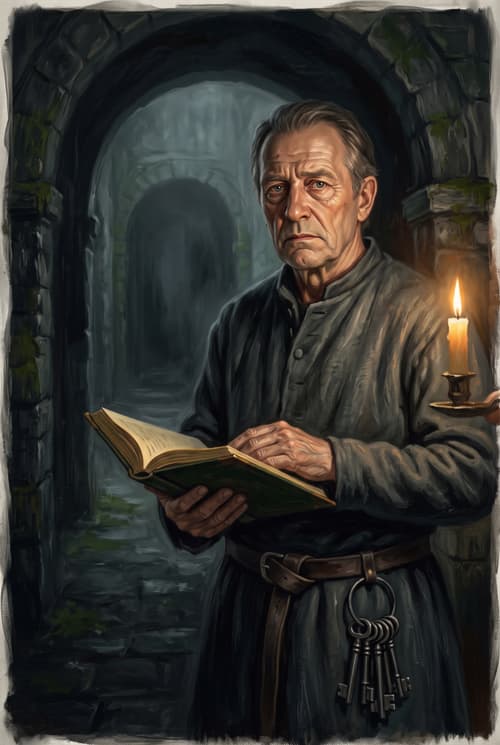
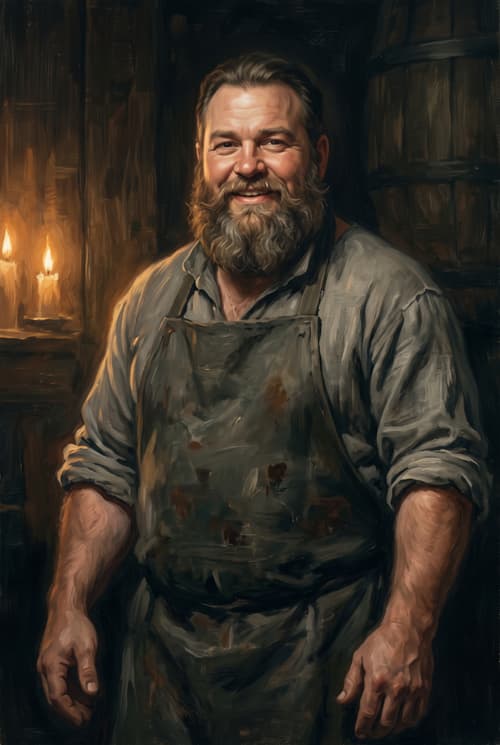
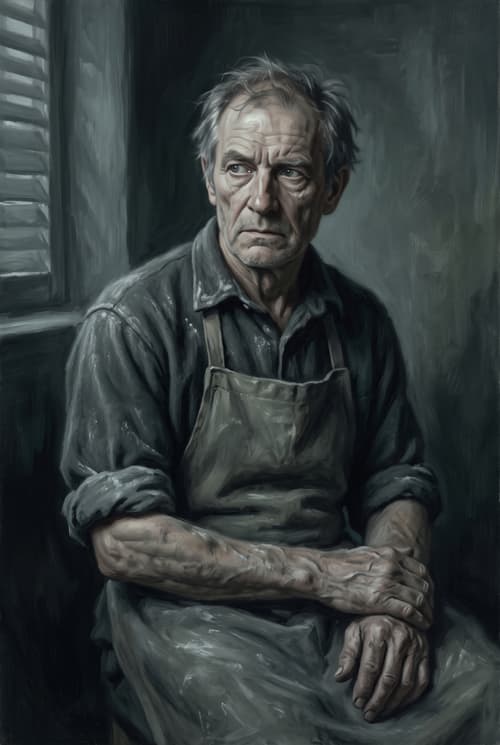
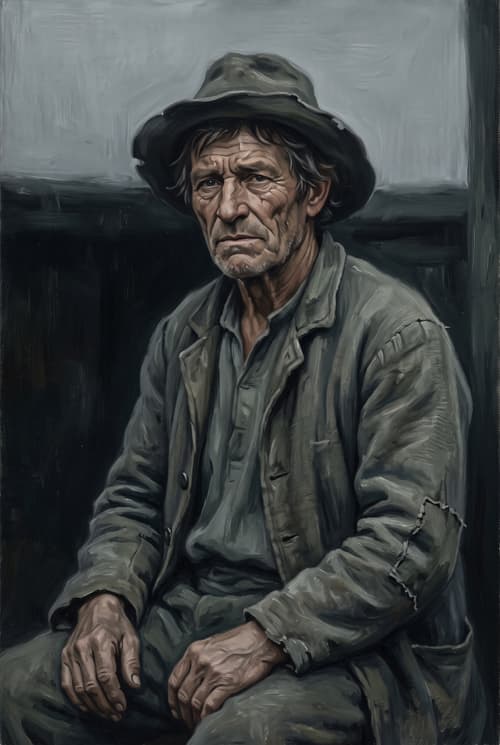
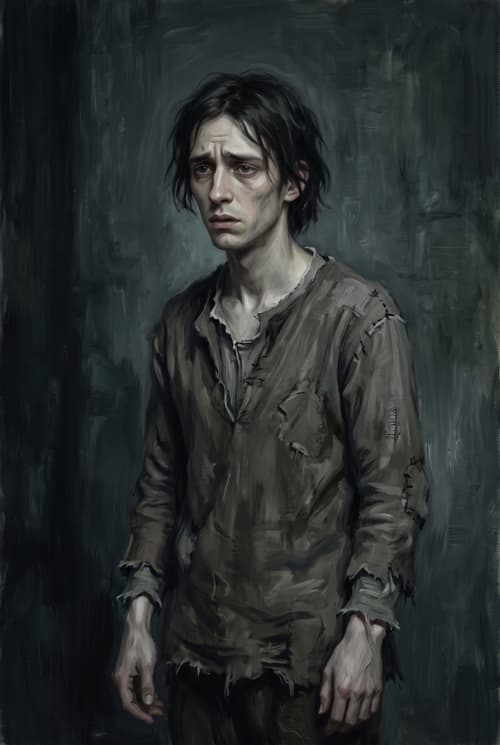
Named, not yet met: Aldrich · the Witch · Casimir Ostrend